Labri des Pyrénées: everything you need to know about this hardy and endearing breed of dog
—
⏱ ~5 min
The Pyrenean Shepherd, also known as the Labrit, is a lively, loyal, and affectionate dog. It needs daily exercise and positive training.
- 🎯 An ideal companion for active families
- 💡 Encourage positive training by using treats to motivate your dog
- 📋 Life expectancy of approximately 14 years
- ⚠️ Warning: dogs that are not socialized may become wary of strangers
The captivating history of the Pyrenean Shepherd
The Pyrenean Shepherd, often nicknamed Labrit, has its origins in the mountainous valleys of southern France. Its sturdy build and dense coat have been meticulously shaped by generations of shepherds who selected it for its exceptional skills. Able to work independently, this dog has been a valuable ally in guarding and herding livestock across the region’s rugged terrain.
The first written references to this breed date back several centuries, illustrating its importance in pastoral culture. Employed for its guarding and herding talents, the Labrit became a pillar of shepherding families, contributing significantly to the economic prosperity of the region. This historical journey has allowed the breed to retain its unique characteristics while remaining faithful to its original role as a working animal.
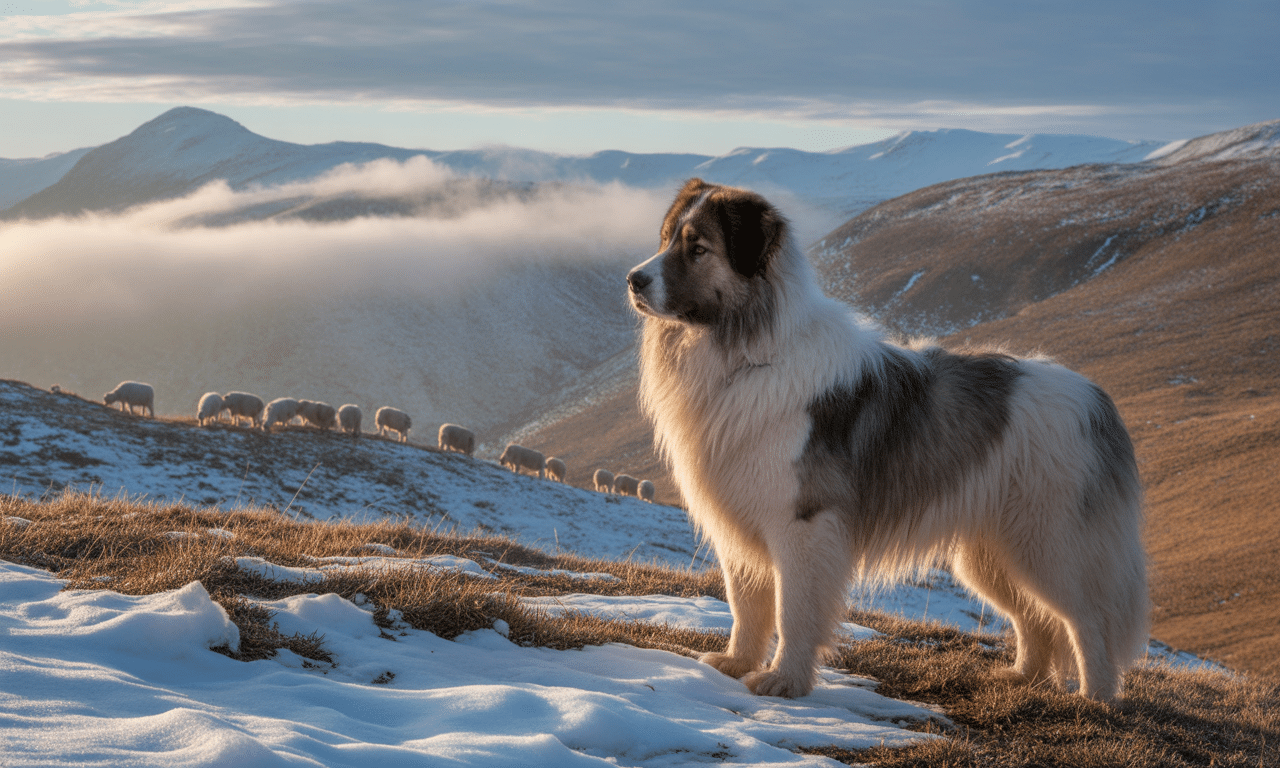
The geographical isolation of the Pyrenees has also played a fundamental role in the preservation of the Labrit. Unlike other breeds that have been modified by crossbreeding, the Pyrenean Shepherd has maintained its purity through selective breeding by shepherds keen to preserve the distinctive traits of their companion. It is important to note that, even today, these dogs are often used for farm work, while their popularity is growing among families as loyal companions.
Physical characteristics of the Labrit
The Pyrenean Shepherd is a medium-sized dog distinguished by its slender, muscular build. Measuring between 40 and 54 cm in height at the withers for males and approximately 40 to 52 cm for females, these dogs have a solid bone structure while remaining agile, which makes them suitable for various terrains. Weighing around 8 kg, they are relatively light, facilitating their movements in a variety of environments.
The Labrit’s coat color can vary, but they are often found in shades of fawn, charcoal, and gray. Other shades also exist, such as brindle. Their coat can be short or long, requiring regular grooming, especially for those with long hair, to prevent tangles.
| Characteristics | Details |
|---|---|
| Height at the withers | 40-54 cm (males), 40-52 cm (females) |
| Weight | Approximately 17.6 lbs |
| Life expectancy | Approximately 14 years |
| Colors | Fawn, black, gray, variegated |
The Labrit has a fairly light bone structure, which makes it both resilient and capable of working for long periods without tiring, a crucial trait for the herding tasks it once performed. Its triangular head is adorned with relatively short ears, and its lively gaze is reflected in its dark eyes, evidence of its keen intelligence. All these qualities make it an ideal companion, both for work and for a dynamic household.
Temperament and behavior of the Labrit
The nature of the Pyrenean Shepherd is influenced by its history as a working dog, which gives it exceptional sensitivity and loyalty. As a companion, it is both active and affectionate, constantly seeking to please its owner. However, it also has a well-developed protective instinct, which can make it wary of strangers.
It is essential to understand that this breed needs early socialization to thrive. Puppies must be exposed to different situations, sounds, and people in order to become well-adjusted adults. In fact, many professionals recommend introducing this dog to a variety of environments at a young age to mitigate any potential distrust of strangers.
- 🎯 Protective nature
- 💡 Need for exercise and mental stimulation
- 📋 Importance of socialization from an early age
- ⚠️ Risk of anxiety if not stimulated
A well-trained Labrit is a lively companion, eager to learn and expend energy. They excel at outdoor activities such as agility and tracking, and are often used for dog sports. By providing a dynamic and structured environment, owners can ensure that their Labrit is happy and well-balanced. This allows them to channel their energy into productive activities.
Training and socialization of the Labrit
Training a Pyrenean Shepherd requires commitment and a caring approach. Their intelligence and sensitivity make this breed a pleasant companion to train. However, gentle methods and positive reinforcement are essential, especially if you want to avoid frustrating these sensitive creatures.
It is advisable to start training sessions at an early age. Using rewards in the form of treats, games, or kind words can make learning enjoyable. To do this, it is essential to work with the Labrit on basic commands such as “sit,” “lie down,” or “come here” repeatedly. Training sessions should not exceed 15 minutes to keep your dog’s attention.
| Command to learn | Recommended method |
|---|---|
| Sit | Reward after performing the command |
| Down | Use a treat to attract the dog |
| Recall | Use a favorite toy as a reward |
| Socialization | Regular encounters with other dogs |
Participating in socialization classes can also be beneficial. These classes provide a safe environment for puppies to learn how to interact with other animals and people. The combination of early training and consistent socialization offers a promising and balanced future for a Pyrenean Shepherd.
Health and care of the Pyrenean Shepherd
The Labrit is generally a robust breed with few major health problems. However, as with all breeds, certain conditions can occur, such as hip dysplasia and possible eye disorders.
To keep a dog healthy, a regular care routine is essential. Veterinary visits should include vaccinations, parasite treatments, and dental checkups. Proper hydration is also important. Providing a high-quality diet, such as that provided by recognized brands such as Royal Canin or Pro Plan, ensures that the Labrador receives all the necessary nutrients.
- 💧 Ensure adequate hydration
- 👀 Check their eyes and ears weekly
- 🏃♂️ Make sure they get enough exercise
- 🦷 Brush their teeth regularly
Owners should also pay attention to the condition of their Labrit’s coat. Regular brushing is necessary to remove dead hair and prevent tangles. For those who choose to groom their dog themselves, it is advisable to use suitable products, such as Martin Sellier or Héry, to ensure the hygiene and well-being of the coat.
The nutritional needs of the Pyrenean Shepherd
A well-balanced diet is essential for the overall health of the Pyrenean Shepherd. As an energetic companion, this dog needs a high intake of quality protein to support its muscle mass. Proteins such as chicken and lamb should form the basis of its diet.
It is also important to include complex carbohydrates, such as brown rice and vegetables, for stable energy. This also contributes to digestive health. Good nutrition can also prevent common health problems in this breed.
- 🍗 Protein: Lean meat and fish
- 🥦 Carbohydrates: Whole grains and vegetables
- 🧂 Supplements: Essential vitamins and minerals
- 💚 Hydration: Water available at all times
Portions should be adjusted according to the dog’s age, weight, and activity level. Young puppies require several meals a day, while an adult can be fed twice a day. It is always advisable to follow your veterinarian’s recommendations and avoid sudden changes in diet to ensure the Labrit’s overall well-being.
Adopting a Pyrenean Shepherd: what you need to know
Adopting a Labrit is a wonderful idea, but it requires serious preparation. Always choose an adoption source that complies with breeding standards. Whether it’s a certified breeder or a shelter, it’s crucial to be well informed about the dog’s breeding conditions and history.
Before adoption, preparations at home are necessary. This includes supplies such as a comfortable bed, bowls, a leash, and appropriate toys. A first visit to the veterinarian after adoption is recommended to ensure that the dog is in good health and to discuss vaccinations.
| Essential items | Why it’s important |
|---|---|
| Interactive toys | To mentally stimulate your dog |
| Initial veterinary care | For health monitoring from the start |
| Training and socialization | For balanced behavior in the long term |
| Space planning | Ensuring your Labrit’s safety and comfort |
For those who are still hesitating, think about all the benefits a Pyrenean Shepherd can bring to your life. Loyal, affectionate, and energetic, this dog is a real treasure for active families. Don’t forget to set aside a budget for its care, including food, veterinary care, and grooming.
Frequently asked questions
Everything you need to know about this endearing breed.
How can I tell if my Labrit is healthy?
A healthy Labrit should be active, have a shiny coat, and show no signs of excessive fatigue. Regular visits to the veterinarian will help prevent any health problems.
What is the ideal diet for a Labrit?
A balanced diet rich in high-quality protein, vegetables, and complex carbohydrates is essential. Owners should consult a veterinarian for specific dietary advice.
Brands such as Virbac and Héry offer good options.
How do you train a Labrit dog?
To train a Labrit, it is essential to use methods based on positive reinforcement, offering rewards and encouragement. Start with basic commands and gradually increase the difficulty.
Enrolling in training classes can be beneficial for beginners.
Is
my Labrit a good guard dog?
Yes, the Labrit has a natural protective instinct and is wary of strangers. However, good socialization from an early age is crucial for him to be well-balanced.
Be sure to reinforce positive behaviors when they encounter strangers.
What is the average lifespan of a Labrit?
The life expectancy of a Pyrenean Shepherd is around 14 years, provided it receives proper care.
Visits to the veterinarian help identify potential health problems before they become serious.


